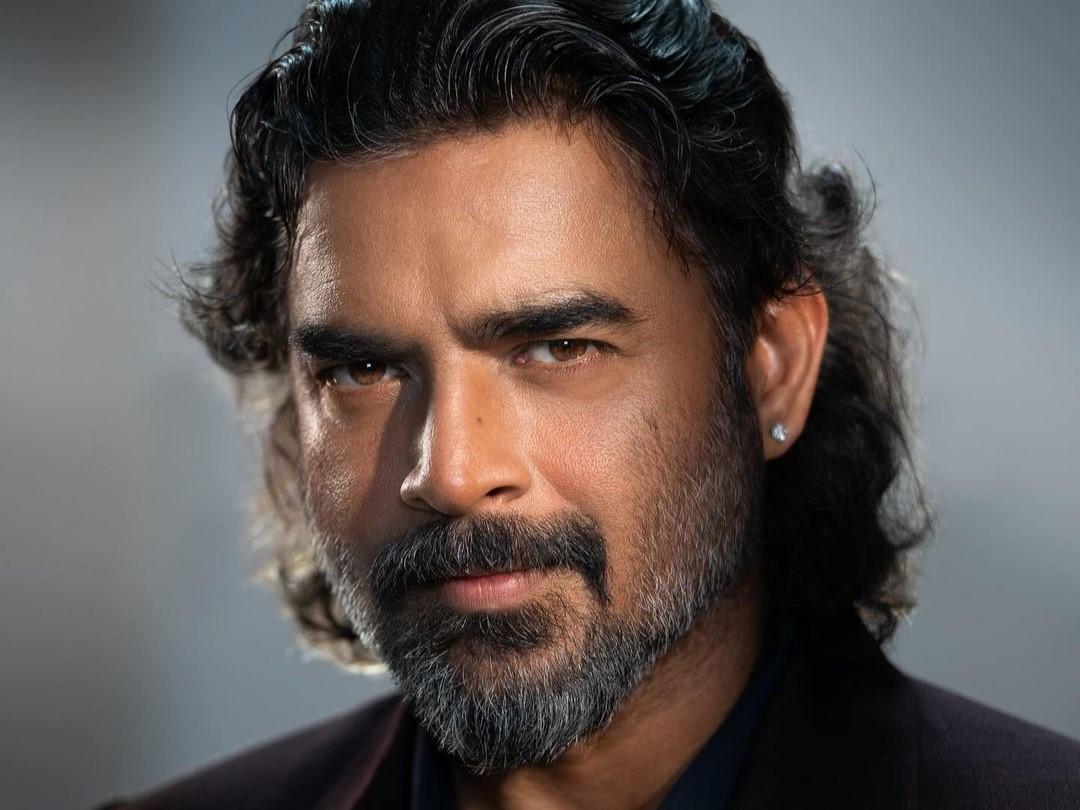
Rahul Madhavan didn’t expect to find mental clarity on a golf course. Yet, during a quiet afternoon at a Chennai country club, the actor noticed something unusual—while most people chased distractions, a small group of men in collared shirts moved with deliberate calm, pausing between swings, eyes locked, breath steady. They weren’t playing to win a tournament. They were playing to test themselves.
“That’s when it clicked,” Madhavan said in a recent interview. “Golf isn’t their escape. It’s their training ground.”
What he observed isn’t unique to India. From Warren Buffett to Satya Nadella, from Elon Musk to Indra Nooyi, golf consistently appears in the routines of top executives and self-made billionaires. But not for the reasons most assume.
It’s not about networking. It’s not about leisure. It’s about focus—raw, unbroken, and self-imposed.
And Madhavan, known for his disciplined preparation in roles like 3 Idiots and Irandaam Ulagam, found a mirror of his own process in the game.
The Silent Arena: Golf as a Focus Laboratory
Golf offers no crowd roar, no team huddle, no second chances hidden in teamwork. It’s one person, one shot, one moment. You stand alone, 150 yards from the pin, wind in your face, mind racing—and the only thing that matters is whether you can silence the noise.
This is why CEOs play golf.
Not to relax—but to train.
In high-pressure decision-making roles, the ability to detach from urgency and execute under internal pressure is more valuable than any spreadsheet skill. Golf replicates that pressure without consequence. A missed shot doesn’t bankrupt a company, but the mental framework it builds does prevent real-world meltdowns.
Madhavan put it bluntly: “No noise, no rush, just focus. That’s what the best in any field need. And golf forces it.”
The 18-Hole Mental Drill
Each hole is a micro-challenge:
- Emotional regulation after a bad shot
- Strategic patience when tempted to swing harder
- Attention control amid shifting conditions
- Self-awareness in tracking mood, posture, and breath
CEOs like Salesforce’s Marc Benioff use golf to practice “mindful execution”—the ability to make high-stakes decisions without reacting emotionally. One poor swing doesn’t ruin the round if you reset your mindset. Just like one bad quarter doesn’t kill a company—if leadership stays composed.
Why Billionaires Choose Golf Over Other Sports
You won’t catch Bill Gates on a tennis court or Jeff Bezos sprinting a 5K. But golf? Consistently present.
Why?
Because golf mirrors the CEO journey more accurately than any other sport.
| Sport | Teamwork? | Pace | Mental Load | Outcome Control |
|---|---|---|---|---|
| Tennis | No | Fast | High (adrenaline) | Moderate |
| Running | No | Fast | Moderate | High |
| Chess | No | Slow | Extreme | High |
| Golf | No | Slow | Extreme + Emotional | Low (due to variables) |
Golf’s unique blend of isolation, slow pace, and external unpredictability (wind, terrain, weather) creates conditions where mental discipline outweighs physical ability. That’s catnip for leaders who spend their days navigating uncertainty.

Madhavan noticed this in his own acting prep: “I spend hours in silence before a shoot. I rehearse lines not just to memorize, but to internalize. Golf feels like that. It’s not about the swing. It’s about the stillness before it.”
The Discipline of the Pause
One of the most underrated aspects of golf—and leadership—is the pause.
In a culture obsessed with speed, the most powerful move is stopping.
Watch a pro golfer: - They walk slowly to the ball - They assess the lie, the wind, the slope - They visualize the shot - They breathe - Then—only then—do they swing
No CEO training program teaches this explicitly. But it’s embedded in golf.
Madhavan shared an anecdote: “I once played with a founder who’d just closed a $500M deal. I expected him to be buzzing. Instead, he was calm, almost detached. After a poor drive, he smiled and said, ‘That’s data. Not failure.’ Then he adjusted. That’s when I realized—he wasn’t just playing golf. He was running drills on resilience.”
That pause—between stimulus and response—is where mastery lives.
The CEO Mindset on the Fairway
Top executives don’t play golf to win. They play to:
- Practice decision-making under fatigue (a round lasts 4+ hours)
- Observe their emotional triggers (frustration after a missed putt)
- Test consistency, not peak performance
- Train presence without distraction (no phones, no emails)
It’s a rare space where high achievers can fail publicly—into a sand trap—and no one cares. That psychological safety is priceless.
How Madhavan Applies Golf Principles Off the Course
Though not a frequent player, Madhavan adopted the mentality of golf in his creative process.
“I used to rush through dialogues,” he admitted. “Now, I take three breaths before every line, even in rehearsal. I ask: Am I present? Am I reacting—or responding?”
He likens a film schedule to a back-nine stretch: pressure mounts, energy dips, focus frays. The ability to stay process-oriented—not outcome-driven—is what separates professionals from amateurs.
He now recommends golf—not to become a pro, but to “learn how to lose a shot and still finish strong.”
The Hidden Curriculum of the Game Golf teaches lessons that boardrooms often miss:
1. You Can’t Control the Outcome—Only the Process A perfectly struck ball can catch a gust and land in a bunker. In business, flawless strategy can fail due to market shifts. Golf teaches detachment from results—a crucial trait for long-term leadership.
2. Small Errors Compound A 5-degree misalignment at impact turns into a 30-foot deviation at 150 yards. Just like a tiny oversight in a contract or product spec can cascade into major issues. Golf trains precision at the point of action.
3. Scoring Is Relentless Unlike sports with time limits or momentum swings, golf scorecards never lie. Every mistake is recorded. CEOs who play internalize accountability—no blaming the market, the team, or luck.
4. The Best Competition Is Yourself
Most golfers play against their own handicap. Similarly, elite leaders measure growth against past performance—not competitors. Madhavan calls this “the quiet benchmark.”
Real-World Applications Beyond the Greens
You don’t need to own clubs to use golf’s mental framework.
Try these adaptations:

- The 3-Breath Rule: Before any high-stakes decision, pause and breathe three times. Reset your nervous system.
- Single-Task Walks: Replace “walking meetings” with silent walks. No devices. Just observation and reflection.
- Journal the Process, Not the Result: After a meeting or presentation, ask: Did I stay focused? Did I react emotionally?
- Embrace the Mulligan Mentality: A mulligan (do-over) isn’t about avoiding failure—it’s about valuing learning. Apply it to projects, not just shots.
Madhavan does this after every film: “I don’t just review box office. I review my discipline. Did I rush? Did I cut corners? That’s the real score.”
Why This Matters in a Distracted World We’re drowning in noise.
Notifications. Deadlines. Urgency culture. The myth that speed equals productivity.
But real performance—whether acting, leading, or creating—happens in the silence between actions.
Golf strips away the illusion of control. It forces presence. It rewards patience.
That’s why billionaires play. That’s why CEOs return, round after round.
And that’s why Madhavan, after years in the spotlight, now sees golf not as a pastime—but as a philosophy.
“Success isn’t about doing more,” he said. “It’s about focusing better. No noise. No rush. Just focus. That’s the game worth playing.”
Final Thought: Train Where It Doesn’t Matter
The brilliance of golf for high performers is this: it’s high-stakes in feeling, low-stakes in consequence.
You can lose a hole and still win the mindset.
So the next time you see a CEO on a golf course, don’t assume they’re taking a break.
They’re training.
And if you want to sharpen your own focus—without picking up a club—start by creating space. Breathe. Pause. Choose.
Because in the end, the most powerful skill isn’t talent, speed, or charisma.
It’s the ability to stand still, amid pressure, and act with clarity.
That’s the quiet edge. And it’s available to anyone willing to practice—on the green, or off it.
FAQ
Why do CEOs prefer golf over other sports? Golf offers isolation, slow pacing, and mental pressure without physical intensity, making it ideal for practicing focus, decision-making, and emotional control.
Is golf really beneficial for mental discipline? Yes. The game demands sustained attention, emotional regulation, and strategic patience—skills directly transferable to leadership and high-pressure environments.
Does Madhavan play golf regularly? While not a frequent player, Madhavan studies the mental discipline of golf and applies its principles to his acting and personal routines.
Can non-golfers benefit from this mindset? Absolutely. The core principles—pausing before action, focusing on process over outcome, and managing internal noise—can be practiced in any field.
How does golf teach resilience? By forcing players to recover from bad shots without external support, golf builds mental toughness and the ability to reset after setbacks.
What’s the connection between focus and success? Sustained focus allows deeper work, better decisions, and consistent performance—key drivers of long-term success in any domain.
Is this just another productivity trend? No. Unlike quick hacks, golf represents a long-term mental training model used by top performers across industries for decades.
FAQ
What should you look for in Why Madhavan Says Golf Is the Ultimate Focus Test for Leaders? Focus on relevance, practical value, and how well the solution matches real user intent.
Is Why Madhavan Says Golf Is the Ultimate Focus Test for Leaders suitable for beginners? That depends on the workflow, but a clear step-by-step approach usually makes it easier to start.
How do you compare options around Why Madhavan Says Golf Is the Ultimate Focus Test for Leaders? Compare features, trust signals, limitations, pricing, and ease of implementation.
What mistakes should you avoid? Avoid generic choices, weak validation, and decisions based only on marketing claims.
What is the next best step? Shortlist the most relevant options, validate them quickly, and refine from real-world results.