Choosing the right approach to capturing the heavens in photos starts with clear context, practical filters, and realistic expectations.
Introduction to Photos of the Heavens
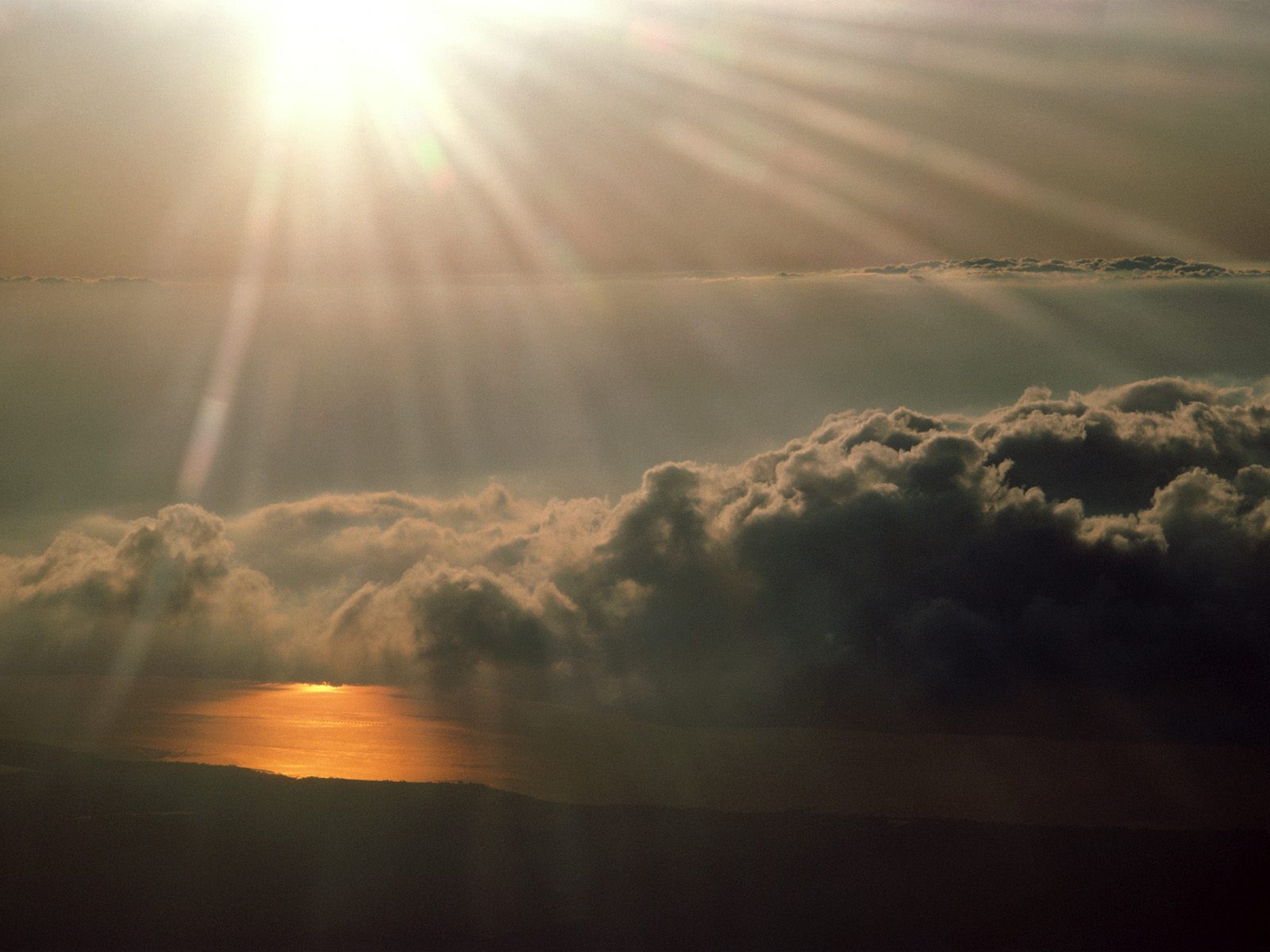
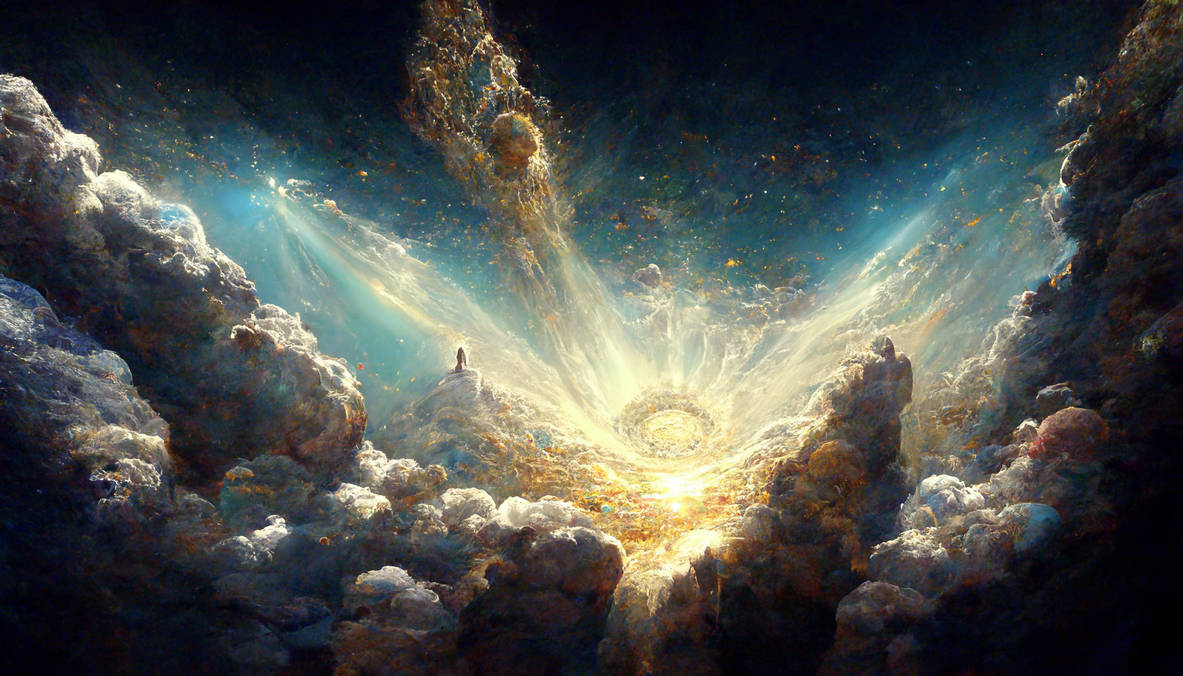
The heavens have always been a source of fascination for humanity, with their vast expanse and mysterious beauty. Capturing the heavens in photos is a way to preserve and share this beauty, whether it's a stunning sunset, a starry night sky, or a rare celestial event. With the advancements in camera technology, taking high-quality photos of the heavens is now more accessible than ever.
Understanding the Basics of Astrophotography Astrophotography, the art of capturing photos of the heavens, requires some basic
understanding of photography and astronomy. It involves using specialized equipment, such as telescopes and tripod-mounted cameras, to capture images of celestial objects like stars, planets, and galaxies. The key to taking great astrophotography shots is to have a good understanding of the camera settings, such as aperture, shutter speed, and ISO, as well as the celestial object being photographed.
Choosing the Right Equipment
When it comes to capturing photos of the heavens, having the right equipment is crucial. This includes a good camera, a tripod, and a telescope or lens with a wide aperture. Some popular options for astrophotography equipment include:
- Canon EOS 80D
- Nikon D850
- Sony Alpha a7R III
- Celestron NexStar 8SE Telescope
- Meade Instruments LX850 Telescope
Tips for Taking Great Photos of the Heavens Taking great photos of the heavens requires some practice and patience, but with the right techniques and equipment, anyone can capture stunning images. Here are some
tips for taking great photos of the heavens:
- Use a tripod to stabilize the camera and prevent camera shake
- Use a remote shutter release or timer to prevent camera shake
- Use a wide-angle lens to capture the vastness of the night sky
- Shoot in RAW format to capture more image data
- Use image editing software to enhance the image and remove noise
Common Mistakes to Avoid When taking photos of the heavens, there are some common mistakes to avoid. These include:
- Using a camera with a small sensor, which can result in noisy images
- Using a lens with a narrow aperture, which can result in a lack of detail
- Not using a tripod, which can result in camera shake and blurry images
- Not shooting in RAW format, which can limit the amount of image data captured
- Over-processing the image, which can result in an unnatural look
Practical Examples of Photos of the Heavens
Some examples of stunning photos of the heavens include:

- The Milky Way, a spiral galaxy that is home to our solar system
- The Orion Nebula, a vast star-forming region in the constellation Orion
- The Andromeda Galaxy, a spiral galaxy that is the closest major galaxy to our own
- The Sun, a star that is the center of our solar system
- The Moon, a natural satellite that orbits the Earth
Celestial Events to Capture
There are many celestial events that can be captured in photos, including:
- Solar eclipses, where the Moon passes between the Earth and the Sun
- Lunar eclipses, where the Earth passes between the Sun and the Moon
- Planetary alignments, where multiple planets are visible in the same part of the sky
- Meteor showers, where small particles of debris enter the Earth's atmosphere and burn up
- Comets, which are icy bodies that orbit the Sun and can be visible in the sky
Editing Photos of the Heavens
Editing photos of the heavens can be a complex process, requiring specialized software and techniques. Some popular image editing software for astrophotography includes:
- Adobe Lightroom
- Adobe Photoshop
- StarStax
- AutoStakkert
- Registax
Conclusion
Capturing photos of the heavens is a rewarding hobby that requires some practice and patience, but with the right equipment and techniques, anyone can take stunning images of the night sky.
Whether it's a beautiful sunset, a starry night sky, or a rare celestial event, photos of the heavens can inspire and awe us, reminding us of the beauty and mystery of the universe.