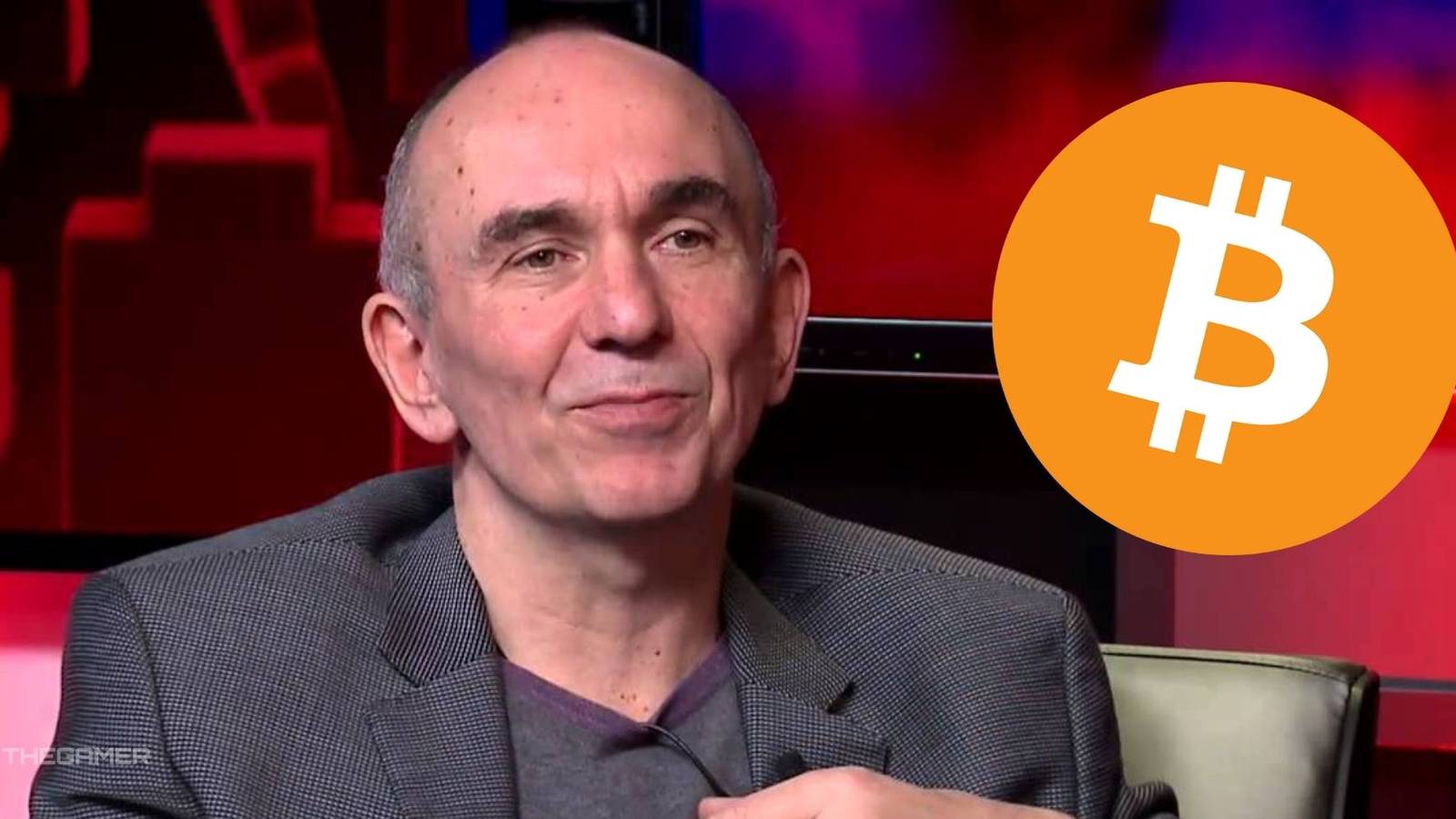
Peter Molyneux is a name that once stood for revolutionary game design. The creator of Populous, Dungeon Keeper, and Black & White was hailed as a visionary—a man who promised players godlike control over virtual worlds. But behind the charisma and bold claims lie shattered expectations, broken trust, and real financial losses.
The players who lost big on Molyneux’s failed legacy aren’t just gamers disappointed by underbaked releases. They include investors who backed his startups, fans who funded projects on faith, and developers who bet their careers on promises that never materialized. This is their story—the human cost of ambition unmoored from reality.
The Cult of Personality That Masked the Red Flags
Molyneux built his reputation not just on games, but on spectacle. He didn’t just announce titles—he performed them. At conferences, he’d describe features with the fervor of a prophet: “You’ll be able to dig a hole to the center of the world,” he said of Dungeon Keeper. “Every tree will grow from a seed,” he claimed for Black & White.
These weren’t just marketing lines—they were commitments that attracted attention, funding, and faith.
But over time, a pattern emerged: the final product never matched the pitch.
- Fable launched with far fewer player choices than promised
- Black & White delivered a god sim, but not the emotionally responsive creature he described
- Milo and Kate, a Kinect tech demo, was teased as interactive AI companionship but never shipped
The gap between promise and delivery grew wider—and so did the financial stakes.
Gamers Who Funded Dreams: The Kickstarter Backers of Godus
When Kickstarter emerged, it became a lifeline for independent developers. For Molyneux, it was a second chance. In 2012, he launched Godus under 22cans, promising a spiritual successor to Populous—a god game where every decision shaped civilizations across millennia.
The pitch was intoxicating.
Backers were promised: - Permadeath civilizations - Real-time world deformation - Multiplayer “wars between gods” - A card-based progression system that replaced traditional UI
The campaign raised £526,364—well over its £400,000 goal—from 14,712 backers.
But what they got was a stripped-down, buggy prototype.
By 2016, disillusionment peaked. Players who paid for early access found a game stuck in development hell. Features were delayed, then quietly removed. The multiplayer mode never launched. The card system became a pay-to-win mechanic.
One backer, Dan H., a teacher from Manchester, admitted: “I backed it because I grew up playing Populous. I thought I was supporting innovation. Instead, I funded a featureless mobile app with a big name attached.”
For many, Godus wasn’t just a failed game—it was a betrayal of trust. They didn’t lose thousands, but collectively, they lost credibility in crowdfunding as a model.
Investors Who Bet on Molyneux’s Name
While fans lost modest sums, investors risked real capital.
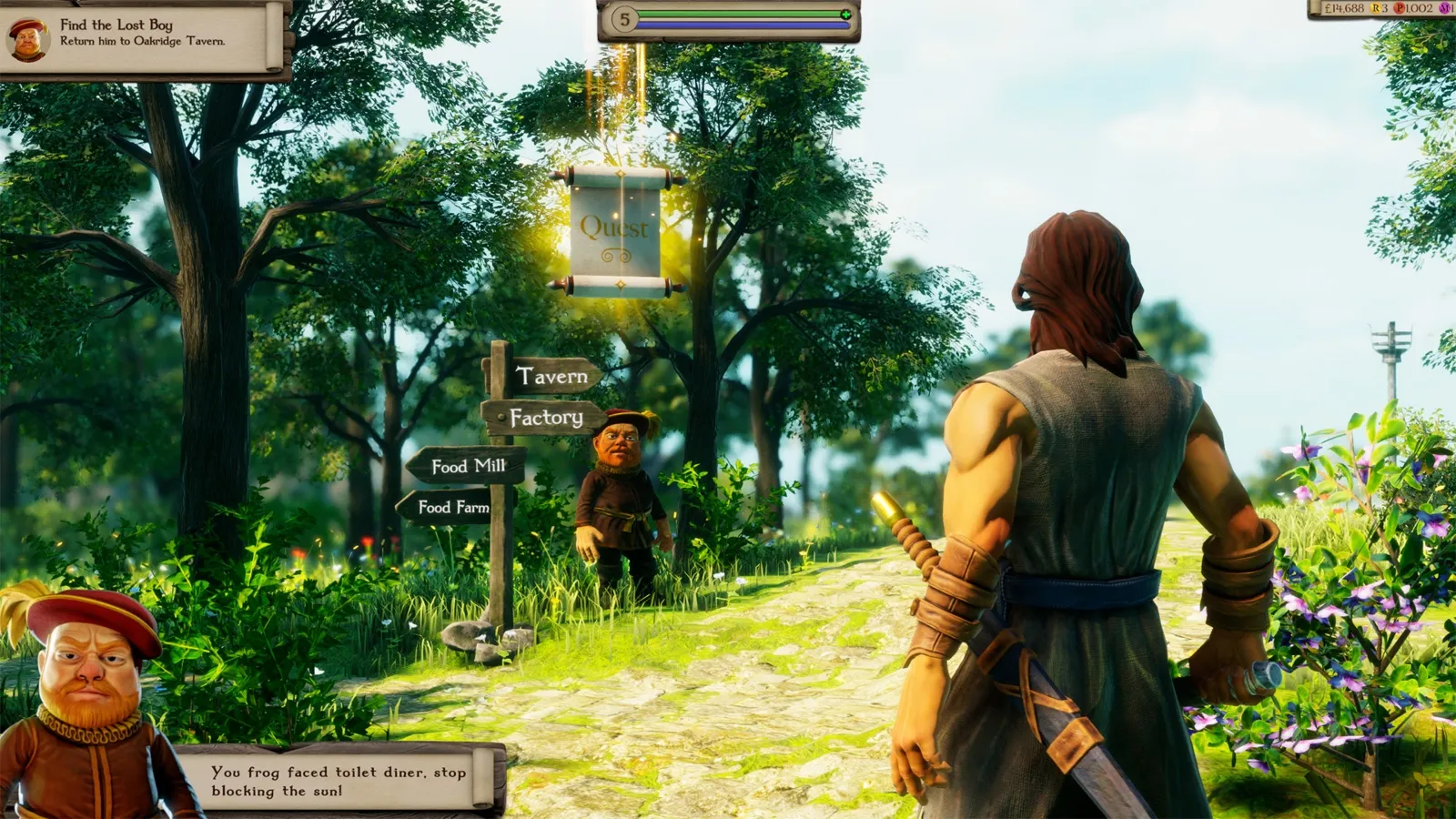
After leaving Lionhead Studios in 2012, Molyneux founded 22cans with the backing of venture capital and private equity. Reports suggest the studio raised millions, though exact figures remain undisclosed. What is known: investors expected a hit from a proven creator.
Instead, they got Godus, a game that failed to gain traction on Steam or mobile.
Then came Curiosity: What’s Inside the Cube?—a social experiment turned marketing stunt. Players tapped a 3D cube online, with the promise that the last person to chip away would win a “godlike” prize. It went viral—briefly.
But the aftermath revealed the cracks: - The game was simplistic, grind-heavy, and psychologically manipulative - The winner, a New Zealander named Bryan Henderson, was offered a vague “role in Godus” as his prize - 22cans monetized the event through ads and data collection
Investors saw the attention but questioned the long-term vision. Was Molyneux building games—or viral stunts to fund development?
By 2018, 22cans pivoted to blockchain games—Legacy, a crypto-based god sim built on the Ethereum network. It required players to buy NFTs and pay transaction fees.
This time, the backlash was faster and louder. Critics called it exploitative. Players called it a cash grab.
For investors who believed in Molyneux’s creative genius, the shift to blockchain felt like surrender—a pivot not toward innovation, but monetization.
Developers Who Lost Careers in the Wake
Behind every failed project are teams of developers who work long hours for uncertain outcomes. Lionhead Studios, once a crown jewel of British game development, became a cautionary tale.
After Microsoft acquired Lionhead in 2006, pressure mounted to deliver sequels. Fable II (2008) and Fable III (2010) were commercial successes but received mixed critical reviews. The magic had dimmed.
By 2012, Molyneux’s departure left a leadership vacuum. The studio continued work on Fable Legends, an online multiplayer entry. But internal reports reveal chaos: shifting design goals, last-minute feature changes, and morale issues.
In 2016, Microsoft shut down Lionhead.
More than 150 developers lost their jobs.
Many blamed Molyneux’s legacy—not his actions directly, but the culture of overpromising he fostered. One former designer, who asked to remain anonymous, said: “We were told to dream big. But when deadlines came, we had to cut everything that made the game special. We shipped a demo, not a product.”
For developers, the cost wasn’t just financial. It was reputational. After Lionhead’s closure, some struggled to find work, their portfolios tied to a brand that had lost credibility.
The Ripple Effect on Crowdfunding and Game Marketing
Molyneux’s trajectory didn’t just affect individuals—it reshaped industry practices.
How Godus Changed Kickstarter Rules
After the Godus backlash, Kickstarter quietly tightened its guidelines. Campaigns now require: - More detailed development roadmaps - Clearer communication about risks - Stricter definitions of “rewards”
Platforms like Fig and Indiegogo followed suit, introducing milestone-based funding and investor oversight.
/cdn.vox-cdn.com/uploads/chorus_image/image/70269281/112379621.0.jpg)
The Rise of “Molyneux Syndrome” The term entered gaming slang: “Molyneux Syndrome” refers to developers who overhype features they can’t deliver. Studios now face skepticism when pitching “revolutionary” mechanics.
For example: - Star Citizen is often compared to Molyneux’s promises—massive scope, endless delays - No Man’s Sky faced similar backlash at launch for missing promised features
The lesson? Vision without execution erodes trust—and trust is currency in gaming.
Why Some Still Believe in Molyneux Despite the failures, Molyneux retains defenders.
Some argue that his sin wasn’t dishonesty, but over-optimism. Game development is notoriously complex. Engines change. Deadlines slip. Features get cut.
“I don’t think he lied,” says game historian Chloe Redondo. “I think he believed his own hype. And that’s dangerous when you’re leading teams and taking money.”
Others point to Legacy as a genuine attempt to innovate—using blockchain for player-owned economies. While the execution flopped, the idea of persistent, decentralized game worlds could still have merit in the future.
But belief doesn’t repay investors. It doesn’t restore jobs. It doesn’t give backers the game they funded.
A Warning for the Next Generation of Creators
The players who lost money on Molyneux’s legacy weren’t naive. They were hopeful. They believed in transformational gaming—the kind that changes how we interact with digital worlds.
But they learned the hard way: - Charisma isn’t a business plan - Vision without delivery is vaporware - Crowdfunding is not a blank check
For developers considering Kickstarter: - Under-promise, over-deliver - Communicate delays early - Show prototypes, not just concepts
For investors: - Scrutinize roadmaps - Demand milestones - Look beyond the founder’s fame
For players: - Be skeptical of “game-changing” claims - Wait for reviews before buying early access - Support studios with shipping histories
The tragedy isn’t that Molyneux failed. It’s that so many believed in him without safeguards.
The Cost of a Vision Unfulfilled
Peter Molyneux’s legacy is no longer just about games. It’s about trust, accountability, and the dangers of unchecked ambition. The players who lost money—whether £10 or £100,000—were betting on a future that never arrived.
Their stories serve as a warning: in gaming, as in any creative industry, ideas are cheap. Execution is everything. Support creators, but demand proof. Believe in vision—but only when it’s backed by delivery.
FAQ:
What game caused Peter Molyneux’s biggest backlash? Godus generated the most intense backlash due to its failed Kickstarter promises and prolonged underdevelopment.
How much money did Godus raise on Kickstarter? The campaign raised £526,364 from 14,712 backers.
Did Peter Molyneux return money to backers? No, 22cans did not issue refunds, though they provided early access to the unfinished game.
What happened to Lionhead Studios? Microsoft closed Lionhead Studios in 2016 after the cancellation of Fable Legends.
Why did investors lose faith in 22cans? Investors lost confidence due to unmet promises, pivot to blockchain, and lack of commercially successful titles.
Is Peter Molyneux still making games? Yes, he continues working on blockchain-based projects like Legacy under 22cans.
What is “Molyneux Syndrome” in gaming? It’s a slang term for developers who overhype a game’s features, leading to disappointment at launch.
FAQ
What should you look for in The Players Burned by Peter Molyneux’s Broken Promises? Focus on relevance, practical value, and how well the solution matches real user intent.
Is The Players Burned by Peter Molyneux’s Broken Promises suitable for beginners? That depends on the workflow, but a clear step-by-step approach usually makes it easier to start.
How do you compare options around The Players Burned by Peter Molyneux’s Broken Promises? Compare features, trust signals, limitations, pricing, and ease of implementation.
What mistakes should you avoid? Avoid generic choices, weak validation, and decisions based only on marketing claims.
What is the next best step? Shortlist the most relevant options, validate them quickly, and refine from real-world results.